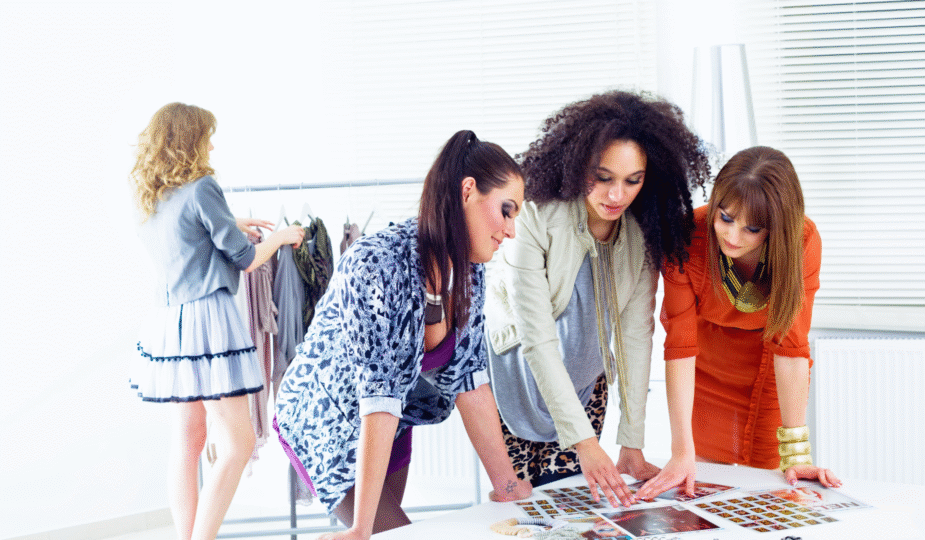
Fashion stylists play a crucial role in crafting the visual narratives that define personal and brand identities. Their expertise in combining colours, textures, and silhouettes helps create cohesive looks that resonate with audiences. This behind-the-scenes exploration reveals not only the technical skills required but also the creative process that brings unique visions to life.
From selecting garments to curating accessories, stylists navigate an array of choices that influence the final presentation. They work closely with clients, photographers, and designers to ensure every detail aligns with the desired outcome. Understanding their methods offers valuable insight into the fashion industry and the artistry involved in styling.
This article delves into a day in the life of a fashion stylist, highlighting the challenges and triumphs they encounter. Readers will gain a deeper appreciation for the work that goes into each carefully styled outfit and the passion that drives these professionals.
Role and Responsibilities of a Fashion Stylist
Fashion stylists play a pivotal role in shaping the visual presentation of outfits for various events, photoshoots, and fashion shows. Their responsibilities encompass creating cohesive looks, coordinating with other professionals in the industry, and tailoring styles to suit specific occasions.
Understanding the Aesthetic Vision
A fashion stylist begins by grasping the aesthetic vision for a project. This involves collaborating with clients to understand their preferences, branding, and the message they wish to convey. They draw inspiration from various sources, including art, culture, and current trends. By analysing these influences, a stylist curates outfits that reflect both the client’s identity and the intended narrative.
Essential tools for this process include mood boards, colour palettes, and fabric swatches. These elements assist in visualising the final look and ensure clarity in communication with the client.
Coordinating with Designers and Makeup Artists
Effective coordination with designers and makeup artists is crucial to the stylist’s role. Stylists liaise with designers to select pieces that complement the overall concept. This often includes arranging fittings and ensuring that garments are tailored correctly to enhance the client’s appearance. A stylist must communicate the desired look clearly to ensure all elements, including makeup and accessories, align with the cohesive vision.
Additionally, the stylist acts as the liaison during photoshoots or events, ensuring that the final look is presented as intended. Maintaining a strong working relationship with industry professionals helps foster creativity and collaboration.
Styling for Different Occasions
Different occasions require distinct styling approaches. A fashion stylist adjusts their strategy based on the type of event, whether it’s a red carpet, a corporate event, or a casual gathering. For formal events, a stylist might select elegant gowns, tailored suits, and sophisticated accessories. Casual outings could lead to more relaxed, trendy outfits that reflect individual style.
Understanding the context and audience is essential. The stylist must also consider practical aspects like comfort and suitability to ensure the client feels confident and looks their best. They remain attuned to current trends while adapting their choices to the client’s needs.
A Day in the Life: Behind the Scenes
The daily routine of a fashion stylist is filled with meticulous planning and quick decision-making. Each stage of preparation, execution, and post-event tasks plays a crucial role in the success of fashion shows.
Preparation for Fashion Shows
Preparation begins weeks in advance. A stylist collaborates with designers to curate looks that align with the show’s theme. They source items from various brands, ensuring a diverse selection for the models.
Key tasks during this phase include creating mood boards and establishing fittings with models. The stylist’s ability to find the right balance between creativity and practicality is vital. They must consider fabric choices, colour schemes, and accessories to enhance the overall aesthetic.
Checklist for Preparation:
- Collaborate with designers
- Create mood boards
- Schedule model fittings
- Source clothing and accessories
Backstage Dynamics
On the day of the show, the atmosphere backstage is electric. Stylists work alongside hair and makeup teams to coordinate final looks just before models step on stage. Effective communication is essential, as timing is critical.
Stylists oversee every detail, ensuring outfits fit perfectly and adjusting as necessary. They must also manage any wardrobe malfunctions, which can happen unexpectedly. A calm demeanour helps maintain control amidst the chaos, allowing everyone to stay focused.
Key Backstage Roles:
- Communicating with models
- Overseeing wardrobe changes
- Coordinating with makeup artists
Post-Show Activities
After the curtain falls, the work is not over. Stylists often conduct debrief meetings to discuss what worked well and what could be improved. They gather feedback from designers, models, and the production team.
Additionally, they may be involved in taking inventory of garments and planning for returns. Networking with celebrities and industry professionals can lead to future collaborations.
Post-Show Checklist:
- Conduct debrief meetings
- Gather feedback
- Inventory garments
- Network for future opportunities
Fashion Stylist Collaboration with Industry Professionals
Fashion stylists often collaborate with various industry professionals to create visually stunning looks. Such partnerships are crucial for achieving a cohesive vision that enhances the overall glamour of a shoot or event.
Working with Hair Stylists
Collaboration with hair stylists is essential for a successful finished look. A stylist must communicate specific desires regarding hairstyles that complement the outfits chosen.
This involves:
- Discussing the theme of the shoot.
- Understanding the models’ features.
- Ensuring the hair aligns with the stylist’s vision.
Key aspects include:
- Versatility: Hair stylists should be adaptable, catering to different styles and trends.
- Technical Skills: Proficiency in various techniques, from classic to contemporary styles, is vital.
This partnership can transform a basic outfit into a statement, as hair plays a significant role in the overall aesthetic.
Engaging with Photographers
Photographers are crucial collaborators in the fashion industry. Their ability to capture the essence of a stylist’s vision can elevate the presentation of outfits.
Essential factors include:
- Concept Alignment: The stylist and photographer must share a common vision for the shoot.
- Lighting and Angles: Understanding how different lighting affects textures and colours is important.
Key points to remember:
- Pre-Shoot Meetings: Collaborating on mood boards helps clarify expectations.
- Open Communication: Continuous dialogue during the shoot ensures adjustments can be made seamlessly.
This synergy is vital in creating images that resonate with audiences and highlight the stylist’s creativity.
Strategic Partnerships
Building strategic partnerships enhances a stylist’s influence and reach. Collaborations can occur with brands, fashion houses, or event organisers.
Considerations in these partnerships include:
- Brand Alignment: Working with brands that align with personal aesthetics can amplify visibility.
- Networking Opportunities: Collaborating expands professional networks.
Essential strategies are:
- Mutual Promotion: Joint marketing efforts can benefit both parties.
- Leveraging Influencers: Engaging influencers can introduce styles to wider audiences.
These partnerships are integral to navigating the competitive landscape of the fashion industry, allowing stylists to showcase their work on larger platforms.
Wellness and Self-Care for Fashion Stylists
Fashion stylists face unique pressures that can affect their overall well-being. Prioritising wellness and self-care is essential for maintaining physical health and managing stress in a demanding industry. Below are key aspects to consider.
Importance of Physical Fitness
Physical fitness plays a significant role in a fashion stylist’s daily routine. Stylists often find themselves on their feet for long hours, transporting clothing and accessories. Engaging in regular exercise, such as yoga, strengthens muscles, improves flexibility, and enhances stamina.
A balanced fitness regimen can include:
- Cardio workouts: Boost cardiovascular health.
- Strength training: Increases overall muscle tone.
- Stretching exercises: Prevent injuries and improve posture.
Incorporating movement into the day, such as walking between appointments or participating in classes, reinforces physical health. A fit body leads to improved concentration, creativity, and efficiency in tasks.
Stress Management Techniques
Managing stress is crucial for effective performance and creativity. Fashion stylists can utilise various techniques to alleviate pressure from their busy schedules. Mindfulness practices, such as meditation or yoga, can enhance mental clarity and reduce anxiety.
Implementing strategies like:
- Deep breathing exercises: Calms the mind and body.
- Time management skills: Reduce feelings of being overwhelmed.
- Regular breaks: Prevents burnout and promotes productivity.
Additionally, maintaining a support network of colleagues and friends can provide emotional assistance. By fostering self-care routines, stylists can improve their resilience in a fast-paced environment, leading to better overall job satisfaction.